She looks up from her phone and as the glowing alarm clock flashes midnight, illuminating her tired face. As she stares back at her phone, she promises herself only one more reel. The next time she looks at the time, her vision blurs, and she can barely make out the glowing 3:00 a.m. She has four hours to sleep now, and she knows she’s going to be exhausted. She finally puts her phone away, but sleep still evades her. She tosses and turns, looking for relief. Finally, she slips into a fitful sleep, only to awaken three hours later.
This is something that many young people have experienced worldwide, as many suffer from addiction to social media. Social media addiction is a real thing, and people are just now starting to realize that it is becoming a major problem. It’s causing more kids to go into a spiraling depression and loss of motivation.
“I think kids are showing up in hospitals more than ever before, and there’s more depression,” Utah Senator Mike McKell said. “[Social media] is having a very negative, adverse mental health impact.”
McKell is one of many state senators who are looking to sue social media companies for their addictive algorithms and the damage that they cause to kids' health. They are looking to fight back against the mentally harmful effects of the products these companies have been profiting from.
“Social media companies are targeting our kids, our kids are having problems, they’re being harmed, and we need to hold social media companies accountable,” McKell said.
Some adults are starting to realize just how bad social media addiction can be and how much harm it causes. According to a study done by the National Institution of Health in 2024 called “Understanding Social Media: A Deep Dive”, excessive screen time can have a large impact on low self esteem, depression, anxiety, loss of sleep, and other mental health-related problems.
“If I’m stressed out about school, instead of doing my work and getting it done, I’ll just lose track of time and scroll on my phone, and then I’ll get even more stressed out because I’m wasting my time,” sophomore Jaelyn Brewer said.
However, it isn’t just adults who are starting to realize this problem. Kids are starting to notice just how much it affects them and their peers.
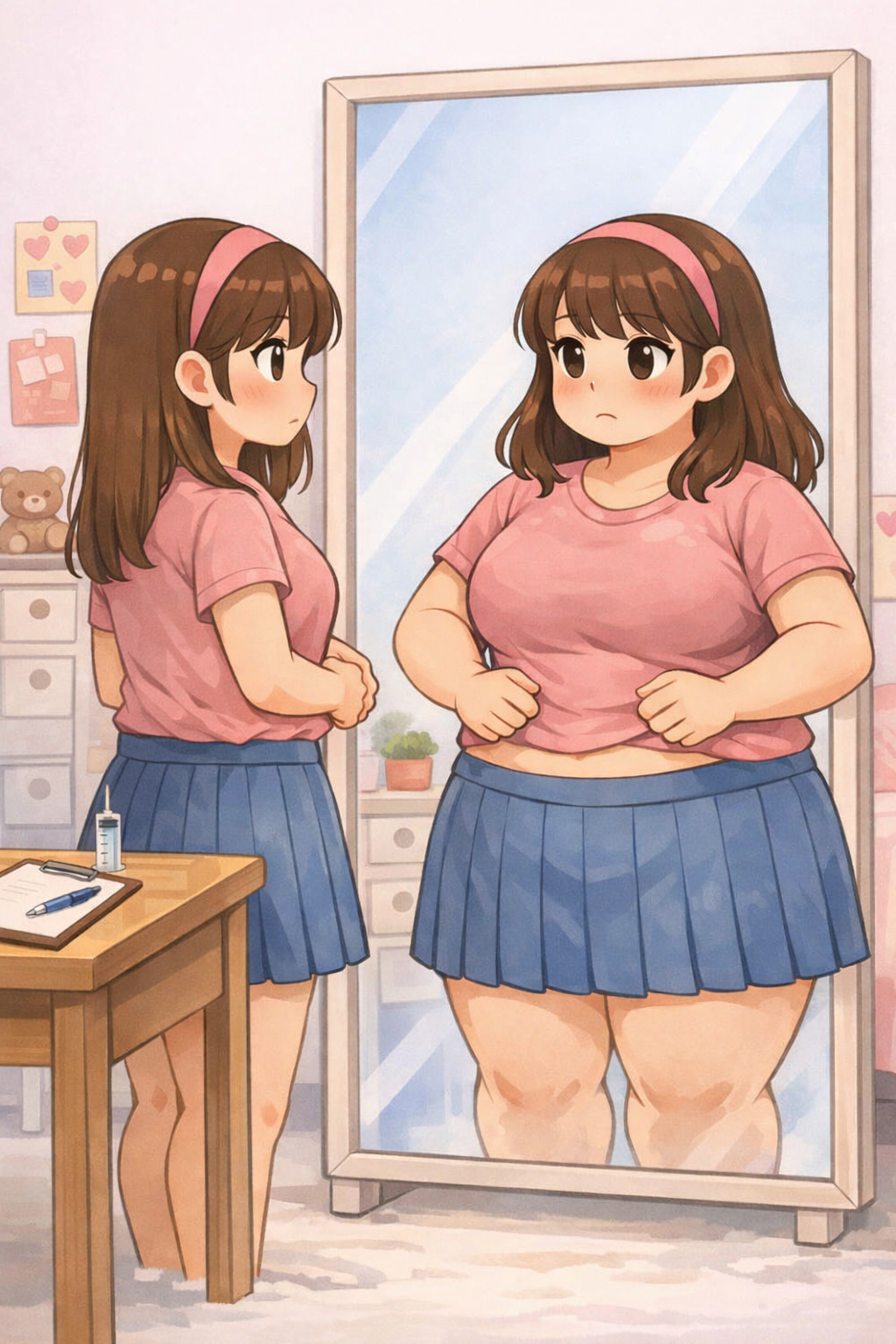
“I feel like I see more people struggling with their body image or getting insecure because they compare themselves to people on social media,” Brewer said.
With kids starting to realize that there is something wrong, it can be challenging for them to just stop, as any addiction can be.
“I wish that my parents didn’t let me get social media because I’ve had it for so long,” Brewer said. “I think it would be easier to not have it at all than to try and quit using it.”
Many students say it is that easy to get caught up and not even realize just how much time they’re actually spending on social media. It can be hard to stop once they pick up their phone and start scrolling.
“I normally start a mental thing of like, thirty more minutes, and then I look, and it’s one more minute, and then I have to force myself to put my phone away,” senior Sean Allred said.
As social media addiction worsens and becomes more of a reality, we need to continue to bring awareness to all, so everyone can learn just how harmful and addictive social media can really be.